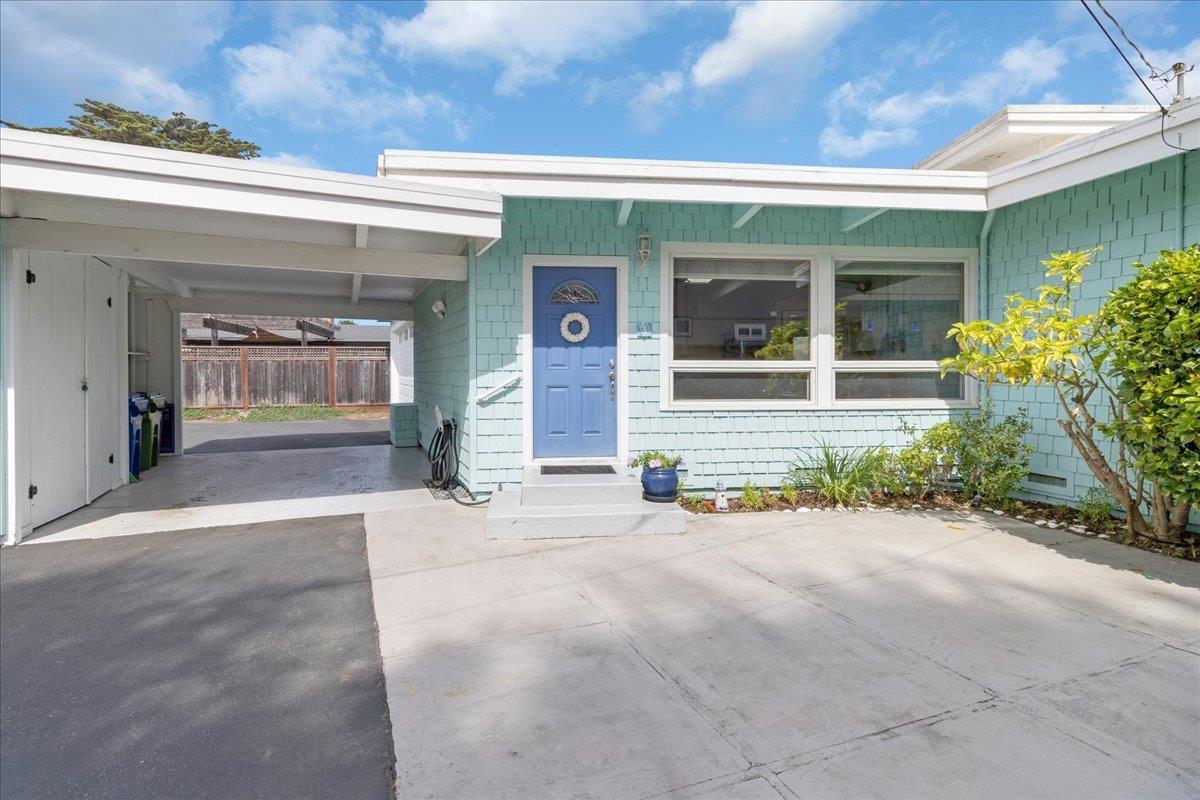
Are You Making These Common Downsizing Mistakes? 7 Pitfalls Central Coast Empty Nesters Should Avoid
Are You Making These Common Downsizing Mistakes?
7 Pitfalls Central Coast Empty Nesters Should Avoid

After almost 10 of helping Central Coast families navigate their next chapter, I've seen empty nesters make the same costly mistakes over and over. Whether you're in Marina contemplating a move to Carmel-by-the-Sea, or thinking about trading your Hollister family home for something smaller in Monterey, these seven pitfalls can derail even the best-laid downsizing plans.
The good news? Every single one of these mistakes is completely avoidable when you know what to look for.
Mistake #1: Choosing the Wrong Size Home for Your New Lifestyle

Here's what I see constantly: empty nesters either go too small and feel cramped, or they don't downsize enough and end up rattling around in a home that still feels too big.
Last month, I worked with a couple from Salinas who wanted to move closer to the coast. They found a "perfect" 900-square-foot condo in Seaside: until they realized they couldn't fit their king-size bed and had nowhere to set up the husband's woodworking hobby. On the flip side, I've seen couples move from a 3,000-square-foot home in Morgan Hill to a 2,400-square-foot place in Aptos, wondering why they didn't feel like they'd actually downsized.
The fix: Map out how you actually live day-to-day. Do you need a dedicated office? A craft room? Space for visiting grandkids? Focus on the rooms you use every day: living areas, kitchen, master bedroom, and bathrooms: rather than counting total bedrooms.
Mistake #2: Rushing the Timeline Without Proper Planning
The Central Coast market moves fast, but that doesn't mean your downsizing plan should. I've watched too many clients get swept up in the excitement of a new listing and make decisions before they're emotionally or logistically ready.
One couple from Santa Cruz fell in love with a place in Carmel Valley but hadn't even started sorting through 30 years of accumulated belongings. They ended up paying for three months of storage while frantically decluttering, turning what should have been a smooth transition into a stress marathon.
The smart approach: Start planning at least six months before you want to move. Break everything into phases: decluttering, home prep, market research, and the actual move. Build in buffer time because something always takes longer than expected.
Mistake #3: Underestimating Storage and Organizational Needs

Even smaller homes can feel spacious with thoughtful storage planning, but I see downsizers constantly underestimate this. They assume less space automatically means less storage needs, forgetting that they still need places for seasonal decorations, important documents, and sentimental items.
A client recently moved from a large home in Gilroy to a lovely townhome in Marina. Beautiful place, but no basement, no attic, and limited closet space. Six months later, they're feeling overwhelmed by clutter because they didn't plan for adequate storage solutions.
The solution: Before you buy, walk through your current home and inventory what you truly need to store. Look for homes with built-in storage, or budget for custom solutions. Sometimes a small storage unit is a worthwhile investment to keep your new space feeling open and organized.
Mistake #4: Keeping Too Many Unused Items
This one hits close to home for every empty nester. You've spent decades accumulating things "just in case," and now you're facing the reality that most of it needs to go.
I worked with a wonderful couple moving from a large home in San Juan Bautista to a condo in Monterey. They spent weeks agonizing over duplicate kitchen appliances, craft supplies they hadn't touched in years, and boxes of their kids' childhood belongings. The breakthrough came when we did a room-by-room reality check: if you haven't used it in two years, it's probably time to let it go.
The gentle truth: Your new life deserves a fresh start. Keep the things that bring you joy or serve a current purpose. Everything else is just taking up space you could use for new experiences.
Mistake #5: Not Defining Your New Lifestyle First

Before you start looking at properties, you need to get crystal clear on what your next chapter actually looks like. Do you want to entertain regularly? Travel extensively? Pursue new hobbies? Your home should support your dreams, not limit them.
I recently helped empty nesters who thought they wanted a lock-and-leave condo in Pacific Grove for easy travel. But after some honest conversation, we discovered they actually wanted to host family gatherings and needed outdoor space for gardening. We ended up finding them a low-maintenance single-family home in Marina with a manageable yard: much better fit for their actual goals.
The key question: How do you want to spend your time in the next 5-10 years? Let that vision guide your housing decisions.
Mistake #6: Making Location Decisions Based Solely on Your Kids
This one's tricky because it comes from love. Many empty nesters either move right next to their adult children or deliberately move far away to "give them space." Both extremes can backfire.
Adult children's lives change: they get new jobs, relocate for opportunities, or simply want different boundaries than you anticipated. I've seen clients move to be closer to kids, only to have those kids move across the country two years later.
The balanced approach: Choose a location primarily because you want to live there. Consider proximity to family as one factor among many: your healthcare, interests, friends, and lifestyle preferences matter just as much.
Mistake #7: Forgetting to Budget for All the Moving Costs

Downsizing should improve your finances, but many people forget to account for the upfront costs of making the transition. Professional movers, storage units, utility deposits, mail forwarding, potential renovations: it adds up quickly.
And here's where my Central Coast expertise really matters: property taxes. Thanks to Prop 19, you may be able to transfer your current property tax base to a new home if you're over 55, but there are specific rules and timing considerations. Don't assume anything: get professional guidance on your tax implications before you commit.
The reality check: Budget for moving expenses, temporary storage, utility setup, and any immediate renovations or updates your new place might need. Factor in ongoing costs like HOA fees and maintenance differences between your current and future homes.
Your Next Step: Getting Professional Guidance
Downsizing on the Central Coast doesn't have to be overwhelming when you have the right support system. Every successful transition I've guided started with honest conversations about goals, realistic timelines, and professional expertise where it matters most.
Whether you're just starting to think about downsizing or you're ready to explore your options, I'd love to help you avoid these common pitfalls and create a plan that actually works for your situation.
Ready to explore your downsizing options? Let's start with a no-pressure consultation about your goals and timeline. I'll help you understand your current home's value, explore neighborhoods that fit your new lifestyle, and navigate the Prop 19 process if it applies to your situation.
Call me at 831-230-8671 or visit linawilliams.com to schedule your complimentary downsizing consultation. Your next chapter should be your best chapter( let's make sure it starts off right.)
Categories
Recent Posts